
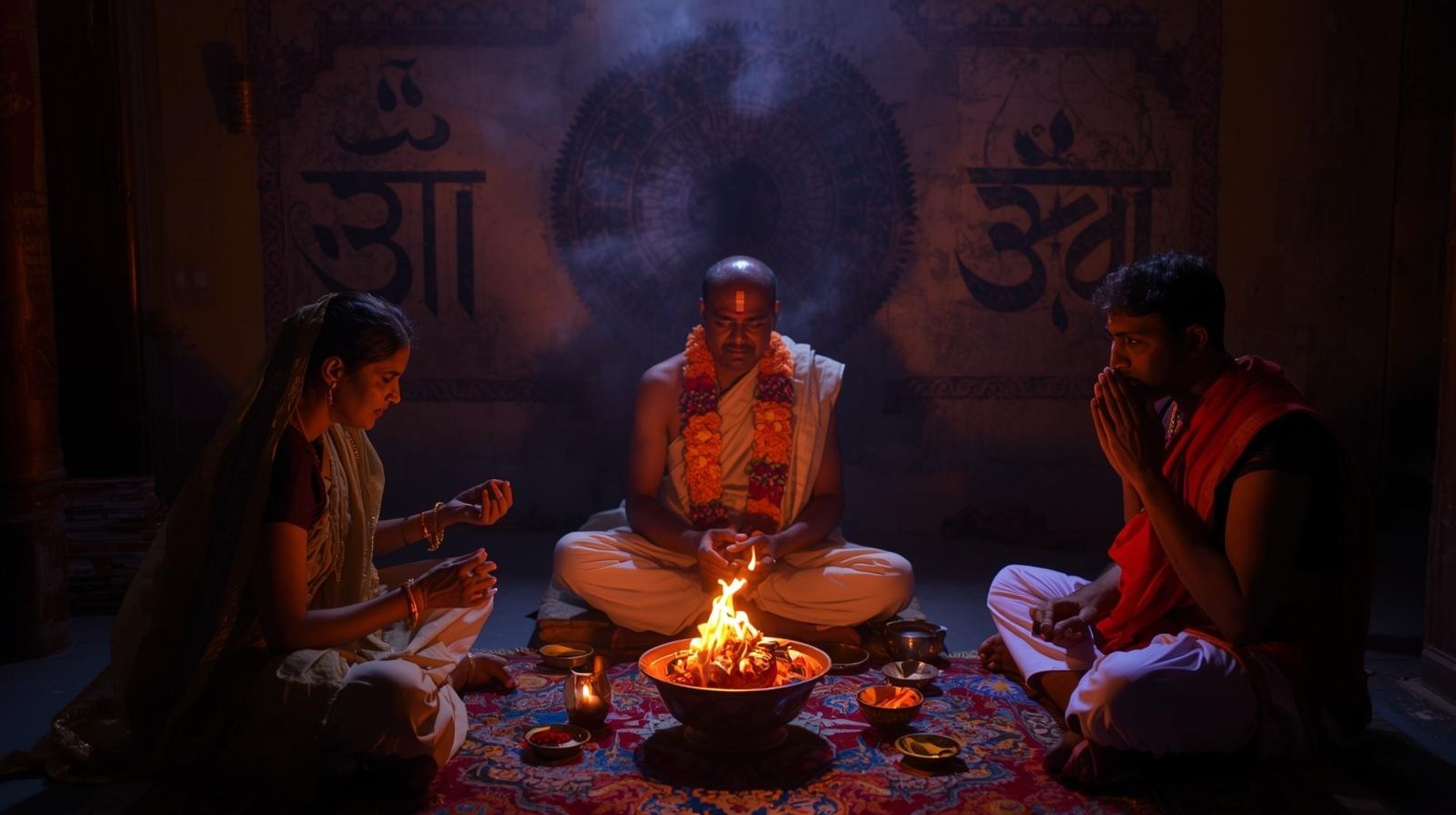
Tripindi Shraddh
Tripindi Shraddh (Tripindi Vidhi)
Tripindi Shraddh, also called Tripindi Vidhi, is an important ritual in Hinduism. It is performed to grant peace and liberation to ancestors (Pitru) whose Shraddha rituals were left incomplete or neglected in previous years, causing them to remain restless or unsettled.
This is a powerful Pitru Prayaschit (ancestral atonement) ritual, involving Pind Daan, Tarpan, and Shraddha. By performing this ritual, departed souls attain peace (moksha), and their blessings bring well-being to the descendants.
Meaning of Tripindi
Tri → Three
Pindi → Pind (balls of rice or flour symbolizing the body of the ancestor)
In essence:
Tripindi means offering three Pinds, typically dedicated to ancestors of three generations:
Father, Grandfather, Great-grandfather
Mother, Grandmother, Great-grandmother
These three Pinds represent both the paternal and maternal lineages.
Purpose of Tripindi Shraddh
Tripindi Shraddh is performed in the following situations:
If Shraddha has not been performed for three consecutive years or more
If the birth chart shows Pitru Dosha
If the family faces constant obstacles, illnesses, infertility, or financial difficulties
If there are repeated dreams of ancestors or snakes (considered signs of displeased Pitru)
Effect:
Performing this ritual establishes peace in the Pitru Lok (ancestral realm) and remedies generational Pitru Dosha.
When to Perform Tripindi Shraddh
Can be performed any time of the year
Especially auspicious times:
Pitru Paksha (Shraddha fortnight – September–October)
Amavasya (New Moon)
Death anniversaries of ancestors
The ritual is generally performed before noon (Purvaahna) under the guidance of experienced Vedic priests.
Stepwise Procedure of Tripindi Shraddh
Performed typically by the eldest son or male descendant under priestly guidance:
Purification and Sankalp – Bathing and purification followed by Sankalp, reciting the names and gotra of ancestors.
Invocation (Aavahan) – Priests chant mantras to invite the ancestors and request acceptance of the offerings.
Preparation of Pinds – Three Pinds are prepared using cooked rice, black sesame seeds, barley/wheat flour, ghee, milk, and honey.
Pind Daan and Tarpan – Pinds are offered on kusa grass, followed by Tarpan (water mixed with black sesame) with mantra recitations.
Havan (Homam) – Offering ghee and grains in fire while chanting Pitru mantras.
Dana (Charity) – Donations of cow, food, clothes, water, lamps, gold, silver, Brahmin meals, Shidhadakshina, Vastrapatra, or Dakshina are offered.
Purnaahuti – Concludes with distribution of prasada and blessings. The house is considered purified and free from Pitru Dosha.
Famous Locations for Tripindi Shraddh
Trimbakeshwar – Nashik (Maharashtra)
Panchvati, Ramkund – Nashik (Maharashtra)
Mantras Used in Tripindi Shraddha
Pitru Tarpan Mantras
Tripindi Shraddha Sankalp Mantras
Mahamrityunjaya Mantra (for peace and liberation)
Benefits of Tripindi Shraddh
Grants peace and liberation to dissatisfied ancestors
Remedies Pitru Dosha
Reduces obstacles and hardships in the family
Improves health, prosperity, and mental peace
Ensures spiritual growth of the family lineage
Spiritual Significance
Tripindi Shraddha is not just a ritual; it symbolizes remembrance, gratitude, and duty.
By granting peace to ancestors, descendants also receive peace, stability, and spiritual balance in their lives.


Other Pujas:
Pujas In Nashik:
Pujas In Trimbakeshwar: