
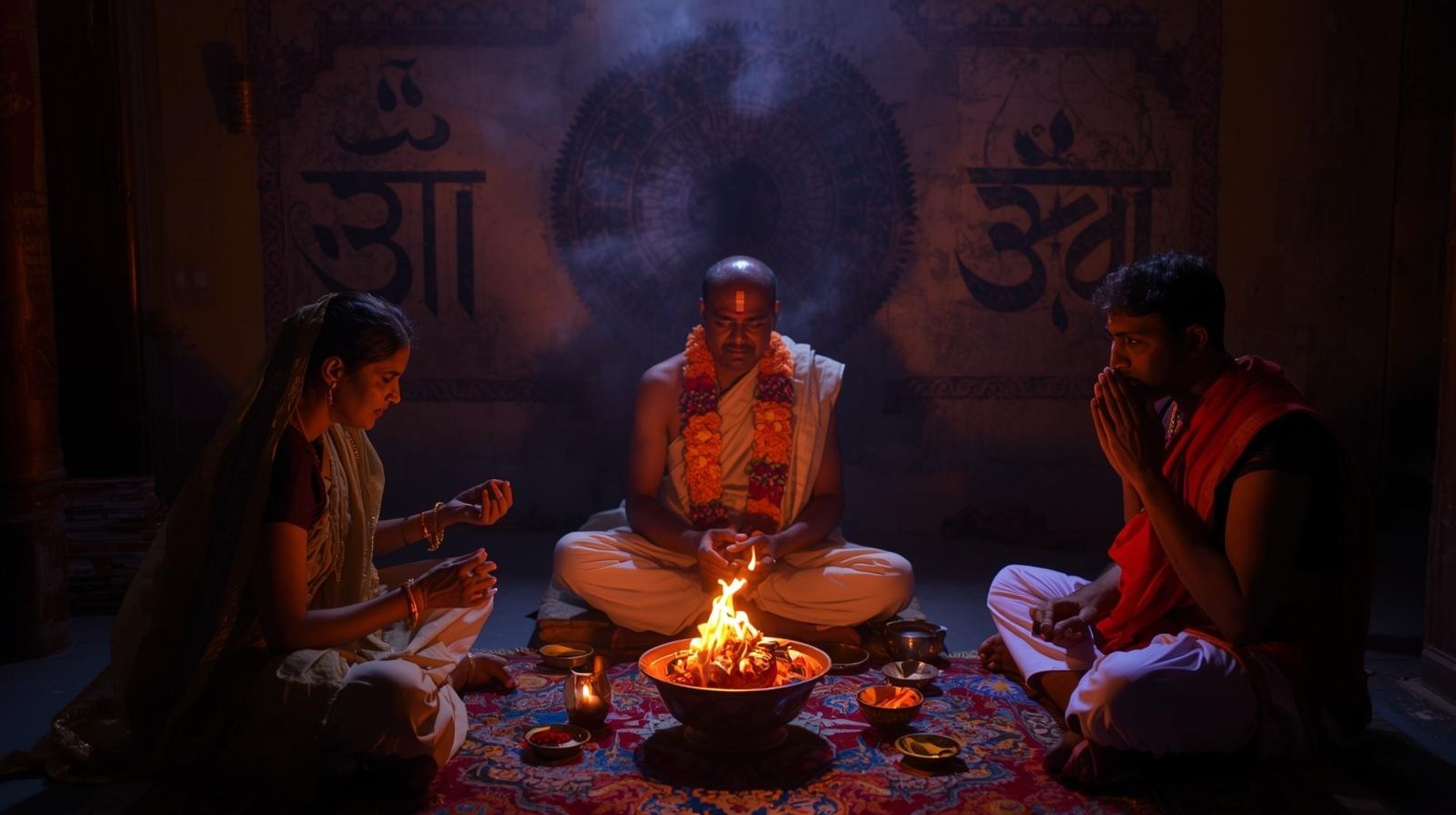
Narayanbali Shanti
Narayanbali Shanti – Hindu Tradition
Narayanbali Shanti is one of the most powerful Vedic rituals in India. It is performed to grant liberation to wandering or restless souls, to remedy Pitrudosh, and to provide peace and salvation to departed souls.
This ritual is part of the Narayan Nagbali Puja and is performed mainly in Trimbakeshwar (Nashik, Maharashtra)according to the guidelines of the Garud Purana.
Meaning of Narayanbali
Narayan → Lord Vishnu (Protector of the universe and liberator of souls)
Bali → Offering, sacrifice, or symbolic ritual
In essence:
Narayanbali is an offering made to Lord Vishnu for the peace and liberation of restless or incomplete souls—especially those who died unnaturally or whose last rites were incomplete.
Purpose of Narayanbali Shraddha
According to scriptures, this ritual is performed in the following circumstances:
Death due to accident, suicide, drowning, epidemic, or other unnatural causes
Persistent Pitrudosh, misfortune, or obstacles in the family
Neglected or incomplete Shraddha or Pind Daan rituals
A restless soul in the family trapped in limbo or wandering (Preta)
Frequent dreams, signs, or omens indicating displeased ancestors
The main goal:
To liberate trapped souls and restore spiritual balance in the family lineage.
Scriptural Reference
The Garud Purana, a primary text describing post-death life, mentions the Narayanbali ritual. It states that this ritual purifies sins related to death, violence, or neglect of ancestral duties, enabling the soul to peacefully reach the ancestral realm.
When to Perform Narayanbali
Can be performed at any time of the year (except during eclipses and Ekadashi)
Special auspicious periods:
Pitru Paksha (Shraddha fortnight, approximately September–October)
Amavasya (New Moon)
Shravana, Kartik, and Margashirsha months – sacred to Vishnu and Shiva
Duration: Approximately 3 days
Stepwise Procedure of Narayanbali
Performed under the guidance of experienced Vedic priests, mainly at sacred places like Trimbakeshwar.
Day 1 – Sankalp and Invocation
Devotee takes a purifying bath
Sankalp is performed to invoke peace for departed souls and to remedy Pitrudosh
Vedic mantras invoke Lord Vishnu and the relevant ancestors
Day 2 – Narayanbali Ritual
A Pind (idol) made of wheat flour is prepared and placed on kusa grass
Symbolic Pind Daan and Shraddha are performed
Mantras from the Garud Purana and Narayanbali Suktas are chanted
Offerings of ghee, honey, black sesame, and rice are made in the Havan
This symbolic cremation frees the soul from limbo and grants peace
Day 3 – Pitru Tarpan and Charity
Water offerings (Tarpan) and Pind Daan are performed
Food is offered to crows, cows, and Brahmins
Donations of food, clothes, and money are given
Ritual concludes with prayers for family peace, prosperity, and well-being
Key Mantras Used
Mahamrityunjaya Mantra
Narayanbali Mantra (from Garud Purana)
Pitru Tarpan Mantras
Vishnu Gayatri Mantra
Benefits of Narayanbali Shraddha
Grants peace and liberation to souls who died unnaturally
Removes Pitrudosh and generational curses
Brings stability, prosperity, and harmony to the family
Cleanses negative energy and karmic defects
Offers divine protection and blessings to future generations
Famous Locations for Narayanbali
Trimbakeshwar – Nashik (Maharashtra)
Panchvati, Ramkund – Nashik (Maharashtra)
Spiritual Significance
Narayanbali Shraddha is not merely a ritual; it symbolizes compassion, duty, and spiritual responsibility.
According to the Garud Purana:
"One who performs Narayanbali for dissatisfied souls liberates seven generations of their lineage."


Other Pujas:
Pujas In Nashik:
Pujas In Trimbakeshwar: