Mahamrityunjay Jap & Hawan
Mahamrityunjaya Japa and Havan – Meaning and Procedure in Hindu Tradition
According to Vedic tradition, the Mahamrityunjaya Mantra is a highly powerful mantra dedicated to Lord Shiva. The Japa (chanting) and Havan (fire ritual) of this mantra are performed systematically to mitigate life crises, chronic illnesses, fear of untimely death, mental unrest, and planetary afflictions. It is strongly believed that this mantra promotes health, longevity, and spiritual peace.
Meaning of “Mahamrityunjaya”
Maha – Great
Mrityu – Death
Jaya – Victory
In other words:
The mantra that grants victory over death, bringing life, health, and liberation, is called the Mahamrityunjaya Mantra.
When is Mahamrityunjaya Japa and Havan Recommended?
The mantra is recommended under the following circumstances:
Long-term or serious illnesses
Accidents, surgeries, or crisis situations
Fear of untimely death
Planetary afflictions, especially Shani (Saturn), Rahu-Ketu dosha
Mental fear, depression, or unease
Sudden obstacles in life
Reasons for Performing Mahamrityunjaya Japa
(According to scriptures and tradition)
Protection of life and health improvement
Relief from fear of death
Pacification of planetary afflictions and negative energies
Enhancement of mental and spiritual strength
Liberation from crises
Common Signs Indicating Mahamrityunjaya Japa is Needed
Persistent illness or weakness
Fear, anxiety, and mental stress
Insomnia or disturbed sleep
Negative thoughts
Repeated obstacles in life
Purpose of Mahamrityunjaya Japa and Havan
This ritual is performed to:
Attain longevity and good health
Remove fear of death and crises
Gain mental peace and inner strength
Mitigate planetary afflictions
Receive blessings of Lord Shiva
Auspicious Times to Perform Mahamrityunjaya Japa and Havan
Monday
Maha Shivratri
Pradosh Vrat
Month of Shravan
Amavasya (New Moon) or Purnima (Full Moon)
Early morning (Brahma Muhurta) or any muhurta suitable for Shiva Puja is considered especially beneficial
Procedure of Mahamrityunjaya Japa and Havan (Summary)
Performed by experienced priests according to Vedic guidelines:
Sankalp (Resolution) – The host states their name, gotra, and purpose before commencing the ritual.
Kalash and Shiva Lingam Installation – Setting up sacred water, Ganga water, and medicinal substances.
Mahamrityunjaya Japa – Chanting the mantra 108, 1,008, or 125,000 times.
Rudrabhishek – Abhishek (ritual bathing) with water, milk, and bel leaves.
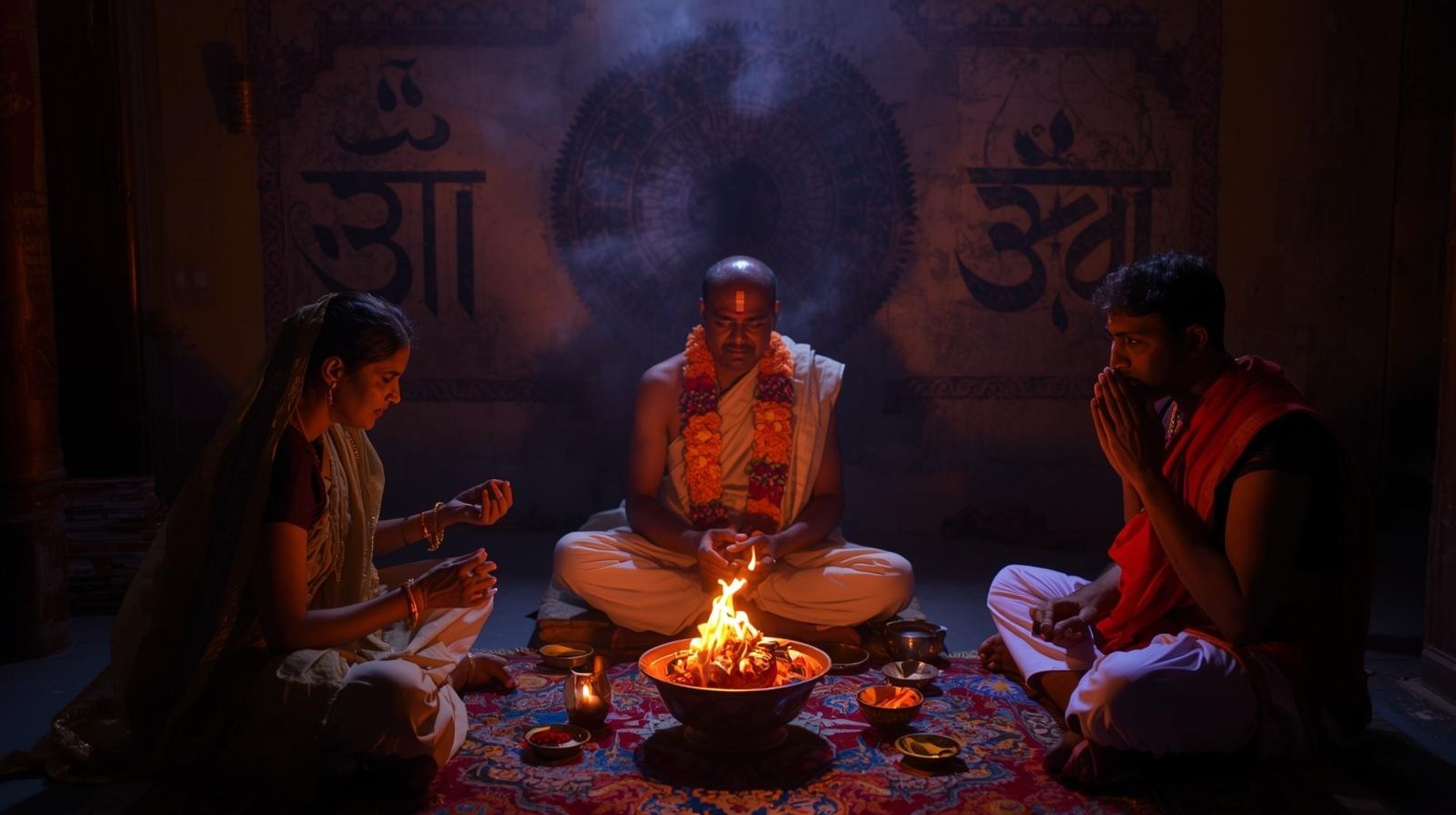
Havan / Homam – Fire ritual performed with Mahamrityunjaya mantras.
Purnahuti – Completion of the Havan ceremony.
Donations and Dakshina – Cow donation, food, clothes, water, lamps, gold, silver, Brahmin meals, honorarium, or other offerings.
Blessings and Conclusion – Prayers for Shiva’s blessings and distribution of prasadam.
Famous Places for Mahamrityunjaya Japa
Trimbakeshwar – Nashik, Maharashtra
Panchvati, Ramkund – Nashik, Maharashtra
Mantra Recited During Mahamrityunjaya Japa
Mahamrityunjaya Mantra
Om Tryambakam Yajamahe Sugandhim Pushtivardhanam Urvarukamiva Bandhanan Mrityor Mukshiya Maamritat
Benefits of Mahamrityunjaya Japa and Havan
Improvement in health
Longevity
Relief from fear of death and crises
Mental peace and inner strength
Removal of planetary afflictions and negative energies
Blessings of Lord Shiva
Spiritual Significance
Mahamrityunjaya Japa and Havan are considered a means for protection of life and attainment of liberation. Through the grace of Lord Shiva, one’s mind, body, and soul are purified, bringing new energy, stability, and harmony to life.


Other Pujas:
Pujas In Nashik:
Pujas In Trimbakeshwar: