
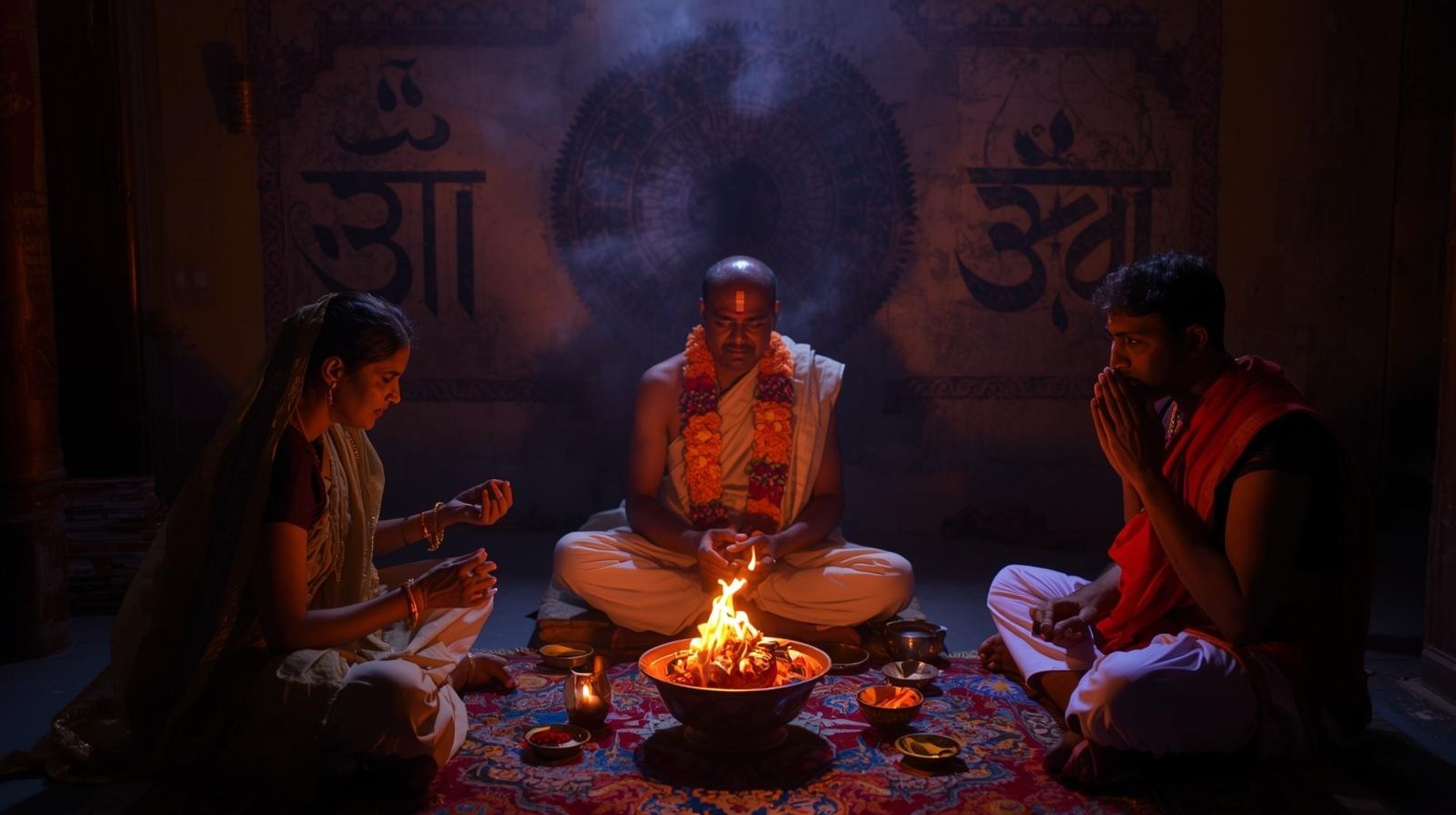
Kumbh Vivah
Kumbh Vivah
According to Vedic astrology and Hindu tradition, Kumbh Vivah is a highly important ritual for mitigating marital defects. If there is a Mangal Dosha (Kuja Dosha) in the birth chart, it can cause delays in marriage, marital discord, separation, or health issues for the spouse. To reduce or completely remove this dosha, Kumbh Vivah is performed according to strict scriptural methods.
Meaning of “Kumbh Vivah”
Kumbh – A pot filled with water (symbolizing the deity)
Vivah – Marriage conducted according to Vedic rituals
In other words:
Kumbh Vivah is the ritual of symbolically marrying a person first to a pot (Kumbh) to pacify the effects of Mangal Dosha.
When is Kumbh Vivah Recommended?
Astrology recommends Kumbh Vivah under the following circumstances:
Mars (Mangal) is in the 1st, 4th, 7th, 8th, or 12th house
Severe Mangal Dosha
Repeated obstacles in marriage
Engagements breaking
Potential stress in married life
Reasons for Performing Kumbh Vivah
(According to scriptures and astrology)
To pacify Mangal Dosha
To avoid delays in marriage
To resolve marital difficulties
To prevent dosha affecting the future spouse
For a happy and stable married life
Common Symptoms Indicating Kumbh Vivah is Needed
Continuous obstacles despite arranging marriage
Tension in relationships
Mental unrest
Difficulties in matching horoscopes
Family worries and pressure
Purpose of the Kumbh Vivah Ritual
The ritual is performed to:
Pacify the effects of Mangal Dosha
Remove obstacles in marriage
Ensure marital happiness and stability
Obtain favorable effects from planets
Prevent future marital defects
Auspicious Time for Kumbh Vivah
During an auspicious marriage muhurta
Thursday or Monday
On Purnima (full moon)
On Amavasya (new moon), as advised by priests
Before the formal marriage
Performing the ritual during an auspicious morning muhurta is considered ideal.
Procedure of Kumbh Vivah (Summary)
Performed by experienced priests according to scriptural guidelines:
Sankalp (Resolution) – The host states their name, gotra, and birth details and takes a vow to perform the ritual.
Kalash (Kumbh) Installation – A pot is installed with holy water, Gangajal, and medicinal substances.
Deity and Planet Worship – Worship of Ganesh, the nine planets (Navagraha), and Mangal Dev.
Kumbh Marriage Ritual – Symbolic marriage performed with chanting of mantras.
Mangal Dosha Pacification – Chanting of Mangal Sukt and relevant Vedic mantras.
Havan / Homam – Fire ritual performed for Mangal Shanti.
Donations and Dakshina – Cow donation, food, clothes, water, lamps, gold, silver, Brahmin meals, honorarium, or other offerings.
Blessings and Conclusion – Final prayers and distribution of prasadam.
Famous Places for Kumbh Vivah
Panchvati, Ramkund – Nashik, Maharashtra
Mantras Recited in Kumbh Vivah
Mangal Sukta
Navagraha mantras
Vivah Sukta
Mahamrityunjaya mantra
Benefits of Kumbh Vivah
Reduces the effects of Mangal Dosha
Removes obstacles in marriage
Brings stability and harmony in marital life
Reduces mental stress
Brings favorable effects from planets
Spiritual Significance
The Kumbh Vivah ritual symbolizes Mangal Dosha pacification and karmic balance. Performing this ritual removes obstacles before marriage and paves the way for a happy, stable, and fulfilling marital life.


Other Pujas:
Pujas In Nashik:
Pujas In Trimbakeshwar: