Thirteenth Day Ritual (Tereva )
Terava / Thirteenth-Day Ritual (तेरावा दिन विधी)
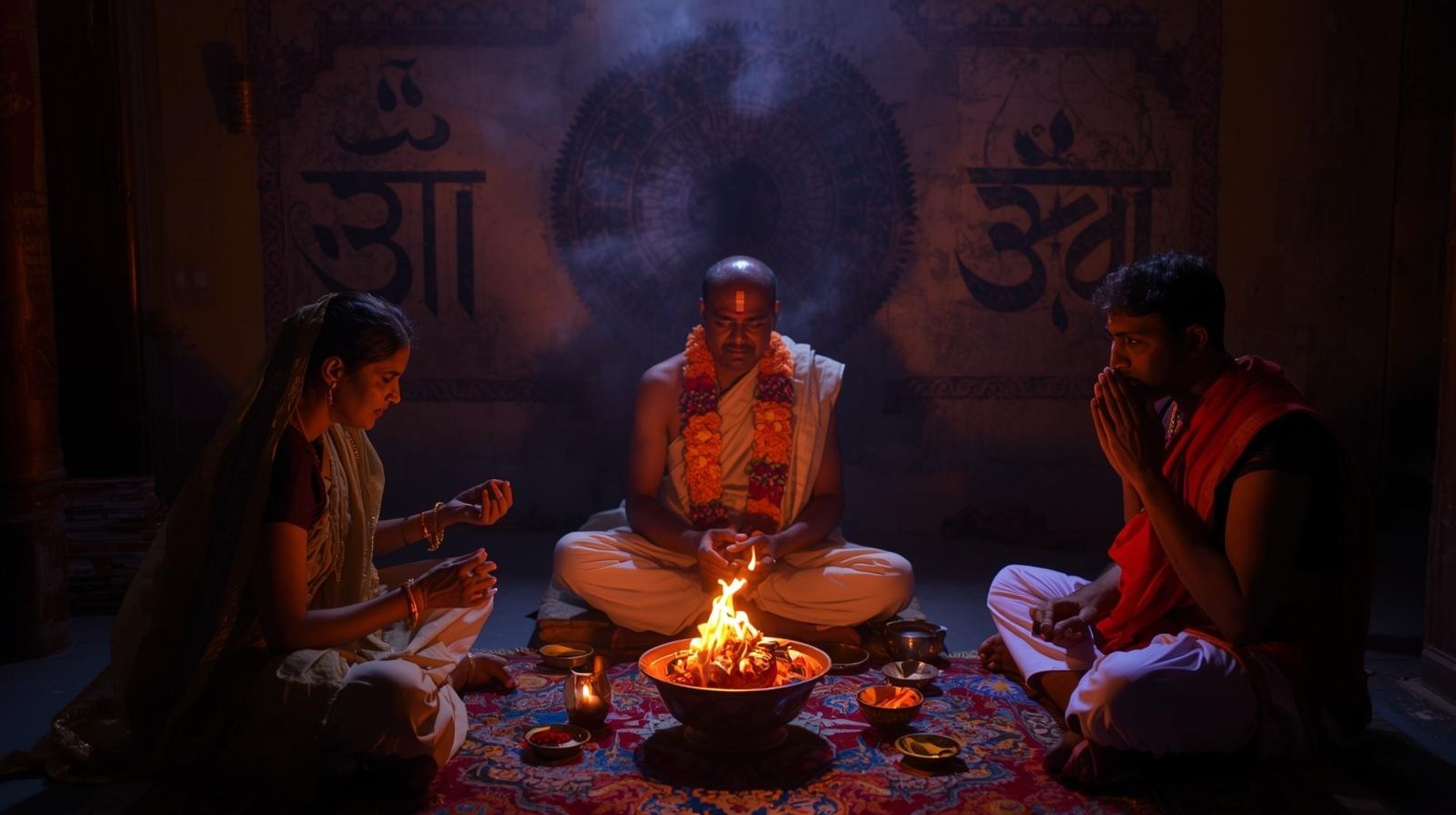
In Hindu tradition, the Terava ritual, commonly known as Terava, is a highly important post-death ceremony performed on the 13th day after a person’s demise. It marks the end of the mourning period and symbolizes the transition from impurity (ashauch) to purity, allowing the family to resume normal religious and social life.
This ritual is mentioned in the Garuda Purana and other Dharmashastras and is observed across India with regional variations, particularly in Maharashtra, Gujarat, South and North India.
Meaning of Terava
Terava → 13th day after death
The term comes from “tera” (13).
The Terava ritual signifies the end of the post-death impurity period and the formal resumption of religious duties.
Purpose of Terava
Formally conclude the period of ashauch (impurity).
Perform sacred rites for the departed and the family.
Ensure peace and stability for the soul.
Confirm the soul’s entry into the Pitru Lok (ancestral realm).
Allow the family to reintegrate into spiritual and social life.
Typical Rituals on Terava
(Regional variations may exist)
Terava Shraddh / Shuddhi Shraddh – Final shraddh performed after 12 days.
Pind Daan and Tarpan – Offering rice balls and water for the soul’s peace.
Brahmin Bhojan – Feeding Brahmins, believed to reach the departed soul.
Daan (Charity) – Donations in the name of the deceased, including:
Cow donation (Gau Daan), food, clothes, water, lamps, gold, silver, Brahmin meals, Shidha Dakshina, clothing bundles, Shayya Daan, or Dakshina.
House Purification – Religious cleansing of the home to end impurity.
Difference Between Dashkriya and Terava
AspectDashkriyaTeravaPurposeCompletes ten essential rituals for the soul’s journeyConcludes mourning and purifies the familyTimingFirst 10 days after death13th day after deathNatureIncludes ashauch period ritualsConsidered a pure ritual (Shuddh Karma)
Chaudah (14th day) – Udak Shanti follows.
Spiritual Significance
Stabilizes the soul’s journey toward the Pitru Lok.
Removes remaining religious impurity.
Restores spiritual balance in the household.
Provides mental peace and acceptance for the family.
Major Sacred Places for Terava
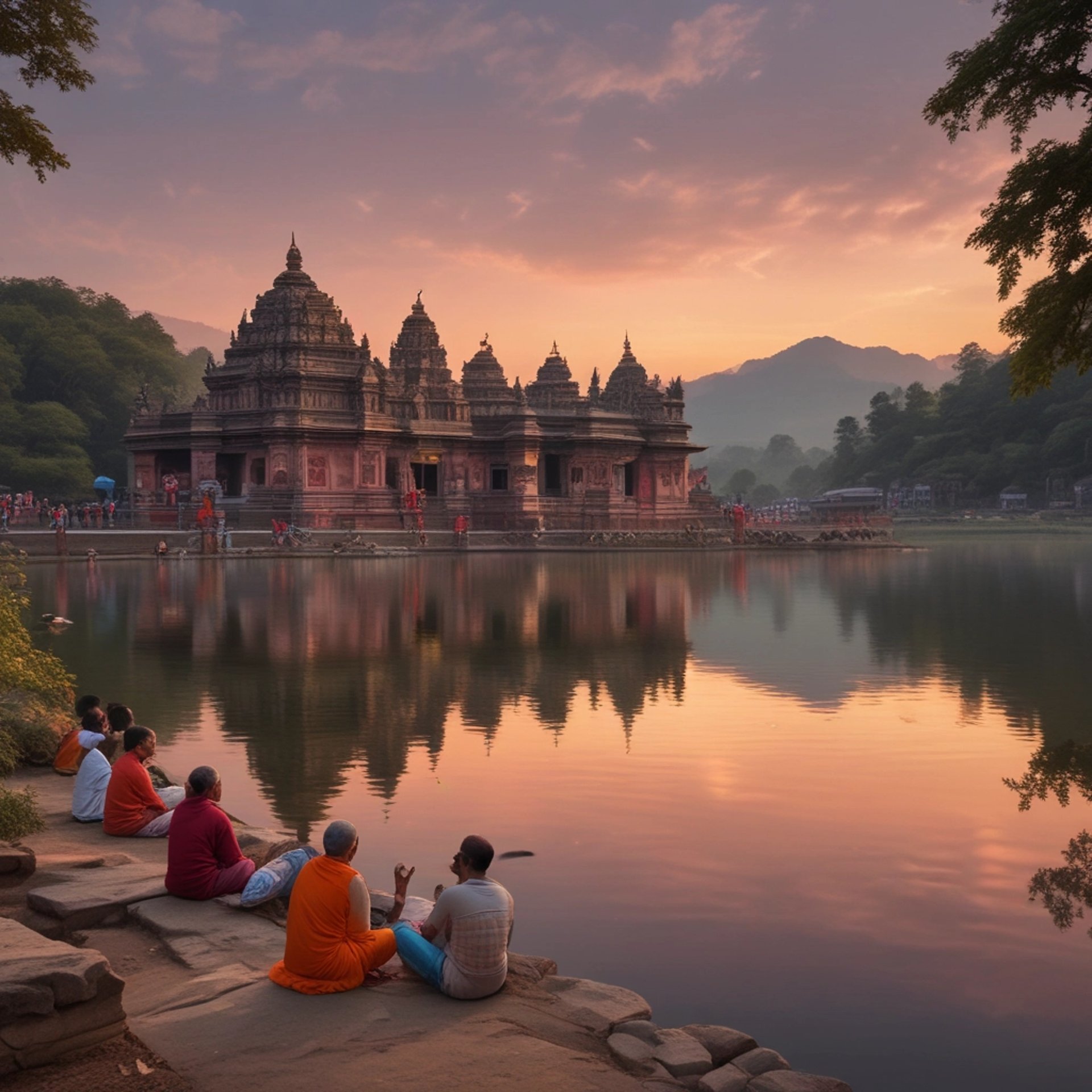
Panchavati, Ramkund – Nashik (Maharashtra)


Other Pujas:
Pujas In Nashik:
Pujas In Trimbakeshwar: